A Complete Guide to Windows Licensing Types & Essential Legal Documents to Pass Compliance Audits
In corporate operations, software license compliance is not only vital for system stability and cybersecurity, but also critical to avoiding severe legal risks and heavy administrative fines during surprise government audits (conducted by agencies such as the Ministry of Culture, Sports and Tourism, the Economic Police, or the Ministry of Information and Communications).
Prepared by: Apollo Vietnam Tech Dev JSC · Updated:
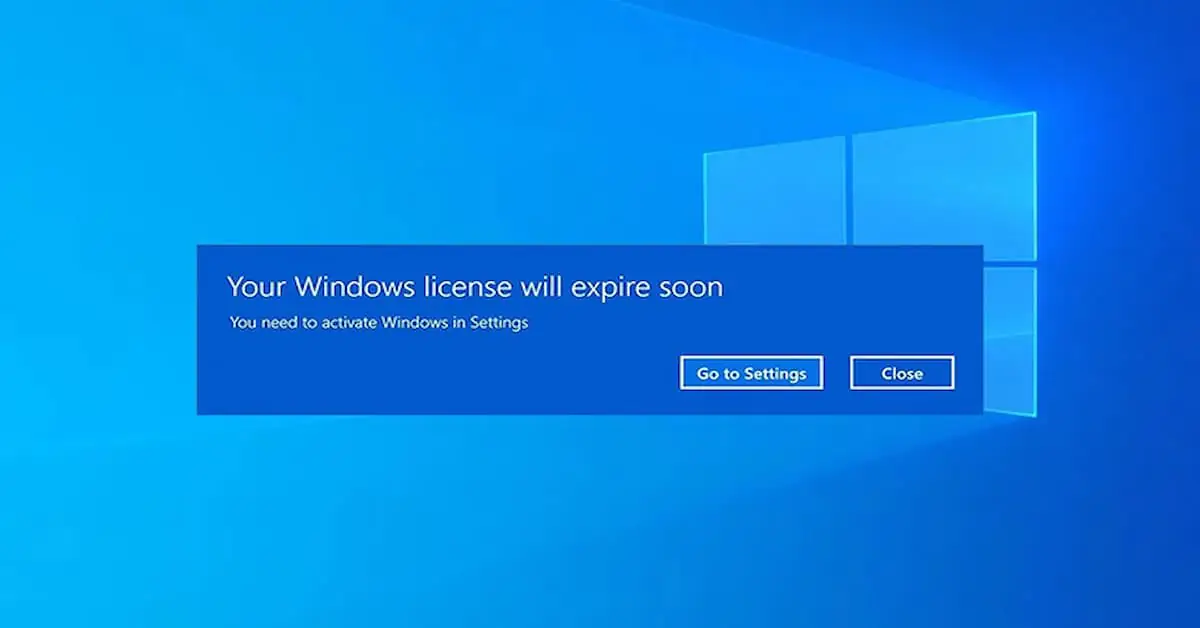
Many businesses that have purchased software licenses still face non-compliance penalties simply because they used the wrong edition (e.g., using Home editions for commercial purposes) or lacked valid documentation. This guide details every Windows licensing model and provides a step-by-step checklist to ensure your business remains 100% legally compliant.
1. Distinguishing Windows Licensing Types
Microsoft distributes Windows licenses primarily through three distinct licensing models:
                  ┌─────────────────────────────────────────┐
                  │        WINDOWS LICENSING MODELS         │
                  └────────────────────┬────────────────────┘
                                       │
        ┌──────────────────────────────┼──────────────────────────────┐
        ▼                              ▼                              ▼
 ┌──────────────┐               ┌──────────────┐               ┌──────────────┐
 │  OEM / OEI   │               │ FPP / Retail │               │ Volume / GGWA│
 │ (Pre-installed)              │ (Retail Box) │               │ (Enterprise) │
 └──────────────┘               └──────────────┘               └──────────────┘
1.1. OEM (Original Equipment Manufacturer) / OEI
- Definition: Licenses pre-installed on computers by hardware manufacturers (Dell, HP, Lenovo, ASUS, etc.) before reaching end users.
- Key Characteristics:
- Permanently tied to the original motherboard (hardware-locked).
- Non-transferable: If the PC breaks down or is replaced, the license cannot be transferred to a new computer.
- Product keys are embedded directly into the BIOS or provided via a COA (Certificate of Authenticity) sticker on the chassis.
- Corporate Compliance Status: VALID — provided the machine runs Windows Pro (or Enterprise) and is backed by a valid proof-of-purchase invoice.
1.2. FPP (Full Packaged Product) / Retail
- Definition: Retail licenses purchased as physical boxed products (containing a USB/DVD drive and key card) or via ESD (Electronic Software Delivery).
- Key Characteristics:
- Transferable: Allows transferring the license from an old PC to a new one (active on only 1 PC at any given time).
- Higher upfront cost compared to OEM.
- Corporate Compliance Status: VALID — ideal for custom-built PCs or standalone OS upgrades, provided it is a Pro or Enterprise edition.
1.3. Volume Licensing (VL) / GGWA / CSP
- Definition: Scalable licensing solutions engineered specifically for businesses, organizations, and educational institutions.
- Key Characteristics:
- Centralized management via the Microsoft Admin Center, allowing seamless key distribution across dozens or hundreds of devices.
- GGWA (Get Genuine Windows Agreement): A legal normalization solution designed for companies currently running unlicensed (cracked) Windows or Home editions, allowing them to legalize their existing PCs without reinstalling the OS.
- Corporate Compliance Status: OPTIMAL for small, medium, and enterprise-level businesses.
2. Which Windows Edition Keeps Your Company Penalty-Free?
Understanding licensing rules is critical to avoiding costly misunderstandings during audits:
Rule 1: NEVER use Windows Home for Commercial Business Operations
Microsoft’s End User License Agreement (EULA) strictly stipulates:
- Windows Home: Strictly for personal, family, and non-commercial entertainment use.
- Windows Pro / Windows Enterprise: Designed for business environments and enterprise deployment.
Important Note: Even if your company purchased brand-new PCs with genuine pre-installed Windows Home OEM licenses, using Windows Home for commercial business activities within an office or corporate environment can still be cited as a license misuse violation during official inspections.
Rule 2: Recommended Solutions for Enterprise Compliance
To ensure total legal compliance during audits, companies should adopt one of the following approaches:
- New PC Procurement: Purchase devices with pre-installed Windows 11 Pro OEM.
- Purchasing OS Licenses for Bare-Metal PCs: Acquire Windows Pro FPP (Retail) or purchase via authorized partner channels through Volume Licensing (CSP/GGWA).
- Regularizing Existing Hardware: Purchase GGWA (Get Genuine Windows Agreement) Pro packages to legally normalize machines running non-compliant software.
3. Required Legal Documents for Software Audits
When an audit team performs an on-site inspection, declaring "our computers came with genuine Windows" is legally insufficient. Businesses must produce a complete Proof of License (POL) portfolio.
Your legal compliance documentation should include the following three categories:
┌─────────────────────────────────────────────────────────────────────────┐
│                   PROOF OF LICENSE (POL) DOCUMENTATION                  │
├───────────────────────────────┬─────────────────────────────────────────┤
│ 1. Financial Documentation    │ • Official VAT Invoice detailing OS     │
│                               │ • Sales Contract / Handover Minutes     │
├───────────────────────────────┼─────────────────────────────────────────┤
│ 2. License Certificates       │ • Physical COA Sticker (OEM)            │
│    (Proof of License)         │ • Product Key Card / Box (FPP)          │
│                               │ • Confirmation Email from Microsoft     │
├───────────────────────────────┼─────────────────────────────────────────┤
│ 3. System Audit Records       │ • Hardware Asset Inventory (Serials)    │
│                               │ • Microsoft Admin Center Portal Access  │
└───────────────────────────────┴─────────────────────────────────────────┘
3.1. For Windows OEM (Pre-installed)
- VAT Invoice: Purchase invoice from the hardware vendor clearly itemizing the equipment and specifying "Includes genuine Windows Pro OEM license" or listing the exact product code indicating an OS bundle.
- COA (Certificate of Authenticity) Sticker: License label affixed to the PC chassis/laptop bottom, or digital license proof embedded within the BIOS.
- Equipment Handover Minutes: Signed delivery receipt between the supplier and your organization.
3.2. For Windows FPP (Retail / Standalone)
- VAT Invoice: Official invoice for the Windows Pro FPP purchase from an authorized Microsoft reseller.
- Physical Accessories: Product box, Product Key Card, or included USB installation media.
- Confirmation Email (ESD): Digital order confirmation received directly from Microsoft or an authorized distributor.
3.3. For Windows Volume Licensing / GGWA / CSP
- VAT Invoice: Corporate software purchase invoice.
- Software Sales Agreement: Executed contract between your enterprise and an Authorized Microsoft Partner/Reseller.
- License Agreement & Confirmation Email: Official electronic licensing confirmation issued directly by Microsoft containing your Company Name, Authorization Number, and Agreement Number.
- Microsoft Admin Center Access: Live login access to your corporate licensing dashboard (VLSC / Microsoft 365 Admin Center) to export real-time proof of license ownership.
4. Legal Risks & Non-Compliance Penalties
Under statutory intellectual property regulations and criminal codes:
- Administrative Fines:
- Fines for corporate software copyright infringement can reach substantial amounts per violation depending on local jurisdiction.
- Compulsory deletion and destruction of all infringing software copies.
- Public disclosure of the offending corporation's brand name in media outlets.
- Corporate & Executive Criminal Liability:
- In cases of commercial-scale copyright infringement, corporate legal representatives may face criminal prosecution, substantial court fines, or imprisonment.
- Financial Damages:
- Beyond paying regulatory fines, the business remains legally obligated to purchase 100% of the missing licenses at full retail list prices.
5. Practical Checklist for IT Managers & Executive Leadership
- Conduct Internal Software Audits Periodically: Maintain an accurate hardware and software asset ledger, verify running OS builds (
winver), and reconcile installed software against vendor invoices. - Establish Clear Procurement Policies: When procuring new hardware for employees, mandate configurations that specify "Pre-installed Windows Pro OEM" to lower total cost of ownership.
- Centralize Compliance Documentation: Finance and IT departments should maintain both physical and digital archives of VAT invoices, software contracts, and Microsoft license confirmation emails in a secure compliance repository ready for immediate audit inspection.
For inquiries regarding Microsoft corporate licensing solutions or software audit readiness consulting, please contact our expert team today.
How many workstation computers does your company currently manage, and are they mostly pre-built brand systems or custom-assembled PCs? I can suggest the most cost-effective licensing model for your setup.